Looking for a $50,000 business loan? The quickest way to secure that amount is to match your financing need with the right lender, understand the eligibility criteria, and prepare a concise loan package that proves your repayment ability. By focusing on lenders that specialize in small business financing and by presenting clear cash‑flow projections, you can obtain the funds in days rather than weeks. For a deeper dive into flexible funding options, see our comprehensive business lending guide which outlines the latest 2026 trends.
Why $50k Is a Popular Benchmark for Small Business Funding
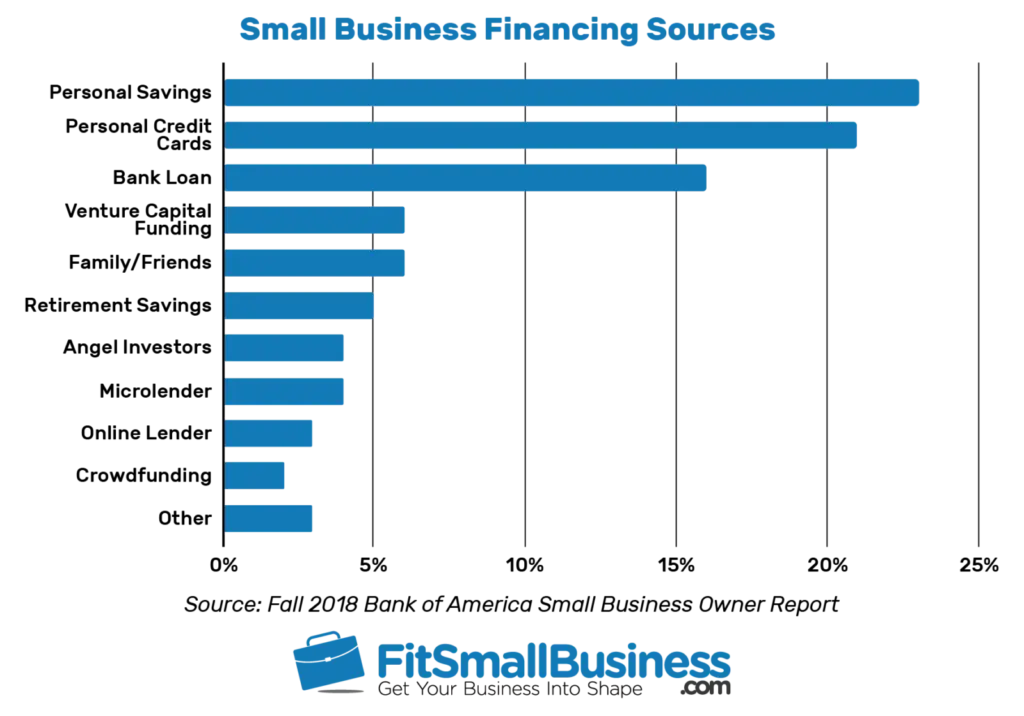
Many entrepreneurs target $50,000 because it sits at the sweet spot between covering major growth expenses—like equipment purchases or marketing pushes—and remaining within the comfort zone of most unsecured business loan products. According to the U.S. Small Business Administration (SBA) 2026 Small Business Credit Survey, 42 % of startups cite $30k‑$75k as the ideal range for their first major capital injection.
Typical Uses for a $50k Loan
- Purchasing or upgrading essential machinery
- Expanding inventory for seasonal spikes
- Launching a targeted digital‑marketing campaign
- Hiring the first round of full‑time staff
- Refinancing high‑interest credit‑card debt
Top Funding Sources for a $50,000 Business Loan in 2026
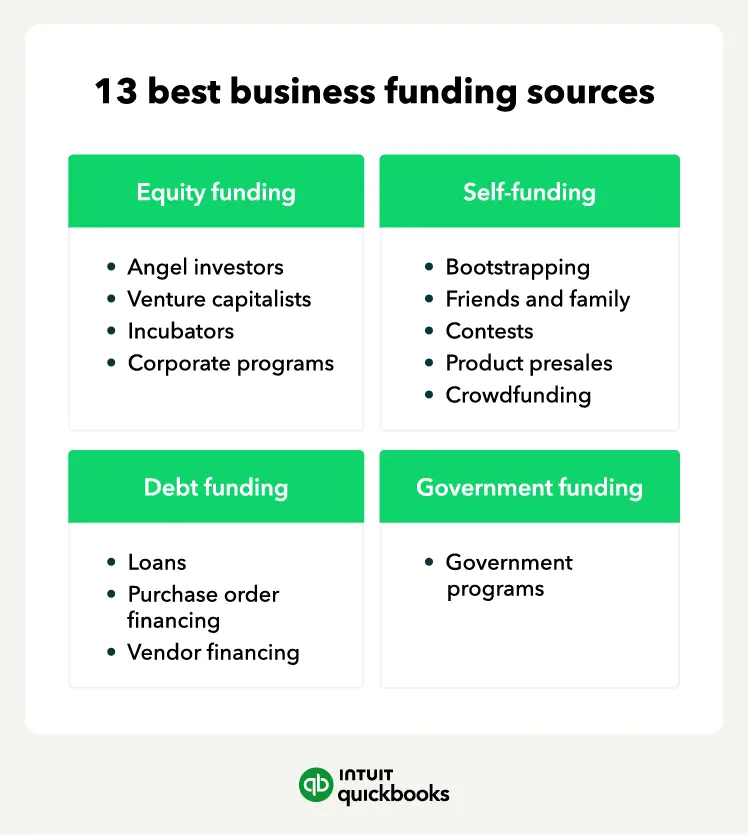
In 2026 the market offers several viable pathways. Below, each option is evaluated for speed, documentation requirements, and typical interest rates.
1. Traditional Bank Small‑Business Loans
Bank loans still command the lowest rates—often between 5.5 % and 7.5 % APR for qualified borrowers—but the approval process can take 4‑6 weeks. Banks usually require a solid credit history, at least two years of financial statements, and collateral for loans over $50k. However, many regional banks have introduced “quick‑apply” portals that can cut processing time in half for well‑documented applications.
2. Online Unsecured Business Loans
Fintech platforms dominate the rapid‑funding segment. An unsecured loan of $50k can be approved in 24‑48 hours, with interest rates ranging from 8 % to 15 % APR depending on credit score. These loans often require only a basic business plan and bank statements—no personal guarantee is needed in most cases. For entrepreneurs who prefer a low‑doc approach, our fast, low‑doc funding guide explains how to streamline the application.
3. Business Line of Credit (BLOC)
A revolving line of credit offers flexibility: draw only what you need up to $50k, pay interest only on the amount used, and replenish as you repay. According to a 2026 Kabbage Funding report, the average utilization rate for new BLOCs is 62 %, indicating that most businesses keep a cushion for unexpected expenses. Learn more about the newest options in our new line of credit guide.
4. SBA Microloan Program
Although the maximum SBA microloan amount is $50k, the program’s emphasis on community‑based lenders (often nonprofit credit unions) results in competitive rates—typically 6 %–9 % APR—and flexible repayment terms up to 10 years. The SBA’s 2026 Annual Report shows a 14 % increase in microloan approvals compared with 2025, reflecting growing awareness among small‑business owners.
Key Eligibility Factors
Regardless of the source, lenders focus on four core criteria:
- Creditworthiness: A personal and business credit score of 650+ usually qualifies for the most favorable terms.
- Cash Flow: Lenders examine monthly net cash flow to ensure the business can cover debt service comfortably (generally a debt‑service coverage ratio of ≥1.25).
- Time in Business: Most lenders require at least 12 months of operating history; however, some online lenders accept startups with as little as 6 months if revenue trends are strong.
- Collateral or Personal Guarantee: While unsecured options exist, offering collateral can shave several points off the interest rate.
Step‑by‑Step Blueprint to Secure a $50k Loan
Following a systematic approach increases approval odds and can shave days off the timeline.
Step 1 – Clean Up Your Credit Profile
Obtain free credit reports from the three major bureaus, dispute any inaccuracies, and pay down any lingering personal debt to push your score above 680.
Step 2 – Assemble Core Financial Documents
Prepare the following items in PDF format:
- Last 12 months of business bank statements
- Profit & loss statement and balance sheet (preferably audited)
- Tax returns for the most recent fiscal year
- Projected cash‑flow statement for the next 12 months
Step 3 – Draft a Concise Loan Narrative
In 250‑300 words, explain why you need $50k, how you will allocate the funds, and how the loan will improve profitability. Highlight key metrics such as expected revenue lift (e.g., “Projected 18 % increase in sales within six months”).
Step 4 – Choose the Right Lender
Match your loan purpose to the lender type:
- Equipment purchase → Traditional bank or SBA loan
- Short‑term cash‑flow gap → Unsecured online loan or BLOC
- High‑growth startup → No‑doc fintech loan
Step 5 – Submit and Follow Up
Upload all documents through the lender’s portal, then assign a dedicated point of contact for daily follow‑ups. Quick communication can prevent bottlenecks, especially with banks that still rely on manual underwriting.
Common Pitfalls to Avoid
Even seasoned entrepreneurs stumble on a few recurring mistakes that can derail a $50k loan application.
Over‑Borrowing
Requesting more than you truly need raises the debt‑service burden and may push you into a higher‑interest bracket. Use a detailed budget to justify the exact amount.
Ignoring the Fine Print
Hidden fees—origination, prepayment penalties, or mandatory insurance—can add up to 2 %–4 % of the loan amount. Always request a fee schedule before signing.
Insufficient Collateral
While unsecured options exist, many lenders will still ask for a personal guarantee. Be prepared to pledge assets such as equipment, inventory, or a portion of your home equity if you seek a lower rate.
Real‑World Example: A $50k Loan that Fueled Growth
Emma Rodriguez launched a boutique coffee roaster in Austin, TX, in early 2024. After six months of steady sales, she needed $50k to purchase a commercial espresso machine and to launch a targeted Instagram ad campaign. Emma opted for a $50k unsecured online loan with a 9.2 % APR and a 24‑month term. Within three months, her monthly revenue rose from $12,000 to $18,500, covering the loan payments comfortably and delivering a 30 % profit increase.
Frequently Asked Questions
What is the average approval time for a $50k business loan?
Traditional banks average 4‑6 weeks, while online lenders can approve and fund within 24‑48 hours, provided the documentation is complete.
Can a startup with less than one year in operation get a $50k loan?
Yes, but the likelihood improves with a strong personal credit score, solid cash‑flow projections, and a compelling loan narrative. Some fintech platforms specialize in “new‑business” loans that accept as little as six months of revenue history.
Is a $50k loan considered secured or unsecured?
It can be either. Unsecured loans typically carry higher rates, whereas secured loans—backed by assets—offer lower APRs.
How much will a $50k loan cost in interest over a 3‑year term?
Assuming an average rate of 8 % APR, total interest paid would be roughly $6,200, resulting in monthly payments of about $1,525.
What other financing alternatives exist besides a $50k loan?
Consider a business line of credit, invoice financing, or equity crowdfunding. Each alternative has distinct cost structures and dilution implications. For a broader view, explore our Business Loan Blueprint 2026 for a side‑by‑side comparison.
Bottom Line: Choose the Path That Aligns With Your Growth Timeline
A $50,000 business loan can be the catalyst that turns a modest operation into a thriving enterprise—if you match the loan product to your cash‑flow rhythm, keep the cost of capital transparent, and avoid common application errors. By following the step‑by‑step blueprint above and leveraging the latest 2026 financing tools, you’ll be positioned to secure the funds you need, when you need them, without jeopardizing the financial health of your business.
